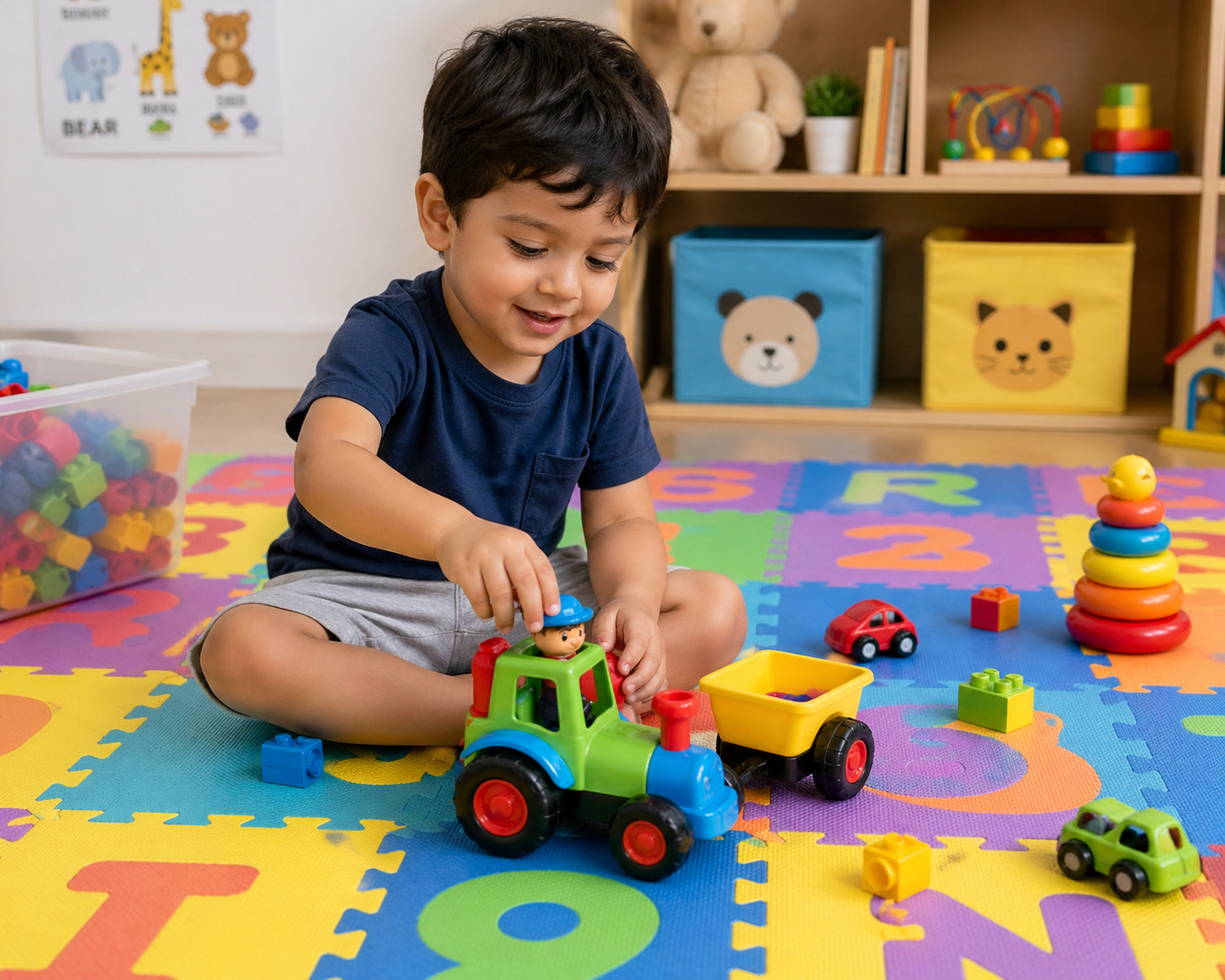
Autism Spectrum Disorder (ASD) is a neurodevelopmental condition that affects how a person communicates, relates to others, and experiences the world around them. It is called a "spectrum" because it presents differently in every individual. Some children with autism are highly verbal and academically able, while others may need more daily support.
One of the most important things we know about autism is that early identification matters. Children who receive appropriate support early may make meaningful progress in communication, social skills, and independence. As a parent or caregiver, you don't need to be an expert to notice when something feels different about your child's development. Trust your instincts. If something feels different, that feeling is worth exploring with a qualified professional.
In the Philippines, awareness of ASD is growing, but many families still face delays in accessing evaluation. The purpose of this article is to help parents recognize possible signs, not to replace professional assessment.
What Are the Early Signs of Autism?
Early signs of autism can vary widely from child to child. What one child shows may be very different from another. Possible signs may appear in how a child communicates, how they engage socially, how they play, and how they respond to the sensory world around them.
Noticing one of these signs does not mean your child has autism. Many of these differences can have other explanations. What matters is that if you observe several of them, especially in combination, it may be worth speaking with a qualified professional.
Possible Signs in Communication
Some children with autism may not reach typical speech milestones on schedule, or may develop words and then lose them. Others may speak but use language differently, such as repeating phrases heard from TV (echolalia), speaking in an unusual tone, or struggling to use language in back-and-forth conversation.
Many children with autism may use fewer gestures than expected, such as less pointing, waving, or showing objects to share interest with others. Gestures are an early building block of communication, and their absence or reduction can be one possible sign worth discussing with a professional.
A child who does not consistently respond when their name is called, especially when they seem able to hear other sounds, may be showing a possible early sign worth noting. This is often one of the first differences parents observe, typically before age two.
Possible Signs in Social Interaction
Some children with autism may show reduced or inconsistent eye contact, not looking up when called, or seeming to look past people rather than at them. Eye contact is one of the earliest building blocks of social connection, and differences in this area can be worth observing over time.
Children with autism may seem more comfortable playing alone and may show less interest in joining or sharing activities with others. They may not follow a pointing gesture to look at something, an early social-communication skill called joint attention.
The natural "back-and-forth" quality of early interaction, where a child and caregiver take turns responding to each other, may feel different with some children with autism. They may not follow a conversation's natural rhythm, or may seem unaware that a response is expected. This is not a lack of desire for connection; for many children with autism, the social language simply works differently.
Repetitive Behaviors and Routines
Some children with autism engage in repeated body movements, such as hand-flapping, rocking, or spinning, sometimes called "stimming." These behaviors often serve a purpose: they can help a child regulate their sensory experience or manage strong emotions. Understanding this can help caregivers respond with patience.
Children with autism may line up toys in specific ways, become very distressed when routines change, or develop intense, focused interests in particular topics or objects. These patterns can be consistent features, though every child is different.
Sensory Differences
Many children with autism experience the sensory world differently from their peers. This can include being more sensitive or less sensitive to sounds, textures, lights, touch, smell, or taste. A child may become very distressed by certain sounds or fabrics that others barely notice, or may actively seek out particular movements or sensations.
Sensory differences can affect behavior, comfort, and how a child engages with learning and daily activities. They are a recognized part of autism for many children, though individual experiences vary greatly.
When Should Parents Seek Guidance?
If you notice several of these possible signs, or if something about your child's development feels different from what you expected, speaking with a qualified professional is a good next step. You do not need to wait until the signs are obvious, and you are never overreacting by taking your concerns seriously.
Professionals who can help with developmental concerns and evaluation include:
- Pediatricians and developmental pediatricians
- Psychologists and developmental specialists
- Speech-language pathologists
- Occupational therapists
Write down the behaviors you have observed, when they happen, and how often. These notes can be very useful during a professional consultation. For families navigating these concerns, professional guidance for children and families is available at Worthy Steps.
If you are feeling overwhelmed or exhausted while caring for your child, you are not alone. Learn more about caregiver burnout and support for parents.
Frequently Asked Questions
Does delayed speech always mean autism?
No. Delayed speech can have many causes. It may be one possible sign to discuss with a qualified professional, especially if it appears alongside other developmental differences.
What age do autism signs usually appear?
Some signs may appear in early childhood, but every child develops differently. If you have concerns at any age, they are worth discussing with a qualified professional.
Can autism be diagnosed from one behavior?
No. Autism is not diagnosed from one behavior alone. A professional evaluation looks at patterns across communication, social interaction, behavior, development, and history.
What should I do if I notice possible signs?
Write down your observations, what you noticed, when, and how often, and speak with a qualified professional for screening or evaluation.
About Worthy Steps
Worthy Steps was founded by a licensed professional therapist with deep expertise in child development, special education, and family counseling. Our mission is to support child wellbeing and help families break cycles of generational trauma through compassionate, evidence-informed guidance. Every article we publish is grounded in clinical experience and reviewed for accuracy and care.
Worthy Steps operates on sliding-scale fees and donor support. Your contribution helps subsidize therapy sessions for families who cannot afford the full cost.